Pudong: Five-year sci-tech drive enhances innovation leadership
Over the past five years, Shanghai's Pudong New District has solidified its role as a national pilot zone for socialist modernization, driving leapfrog development in basic research, industrial innovation and ecosystem building.
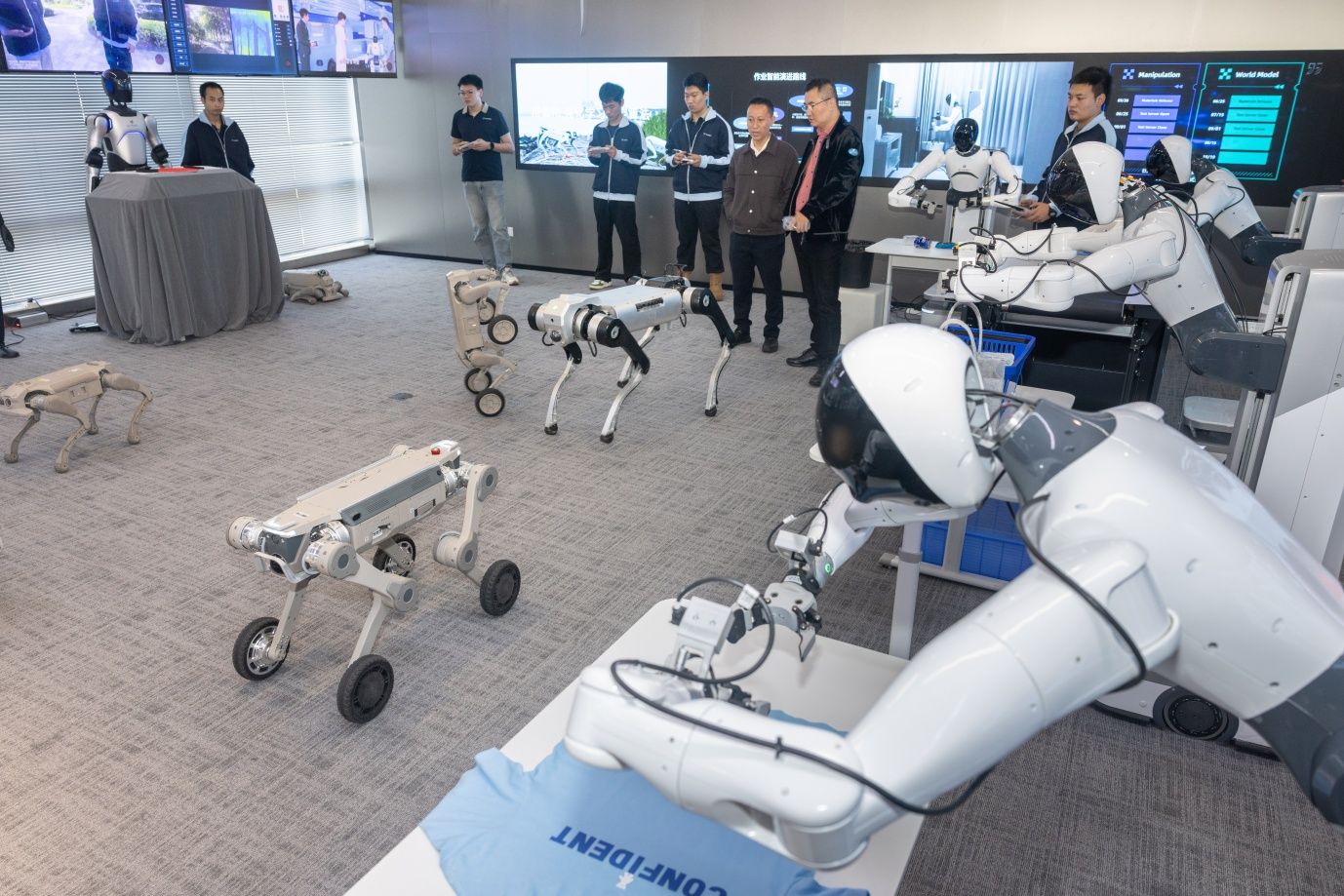
Shanghai Zhiyuan New Innovation Technology Co., Ltd. (Photo: Zheng Feng)
The district has established itself as a benchmark for China's homegrown innovation capabilities.
Pudong has built a full innovation chain spanning basic research, technology development and commercialization, enabling major scientific breakthroughs.
The upgraded Zhangjiang Fudan International Innovation Center exemplifies this push. Transitioned from a traditional campus to a sci-tech park, it now focuses on biomedicine, AI and integrated circuits. Through a strategic framework, the center has established itself as a world-class scientific hub.
In brain science, a team at the center developed a new implantable brain-spine interface. This global-first "three-in-one" technology helps spinal cord injury patients regain movement within 24 hours post-surgery, achieving rapid translation from basic research to clinical application.
While basic research forms the "roots," industrial application bears the "fruits." Over the past five years, Pudong focuses on its three leading industries like integrated circuits, biomedicine and AI, speeding innovative ideas to market and building world-class industrial clusters.
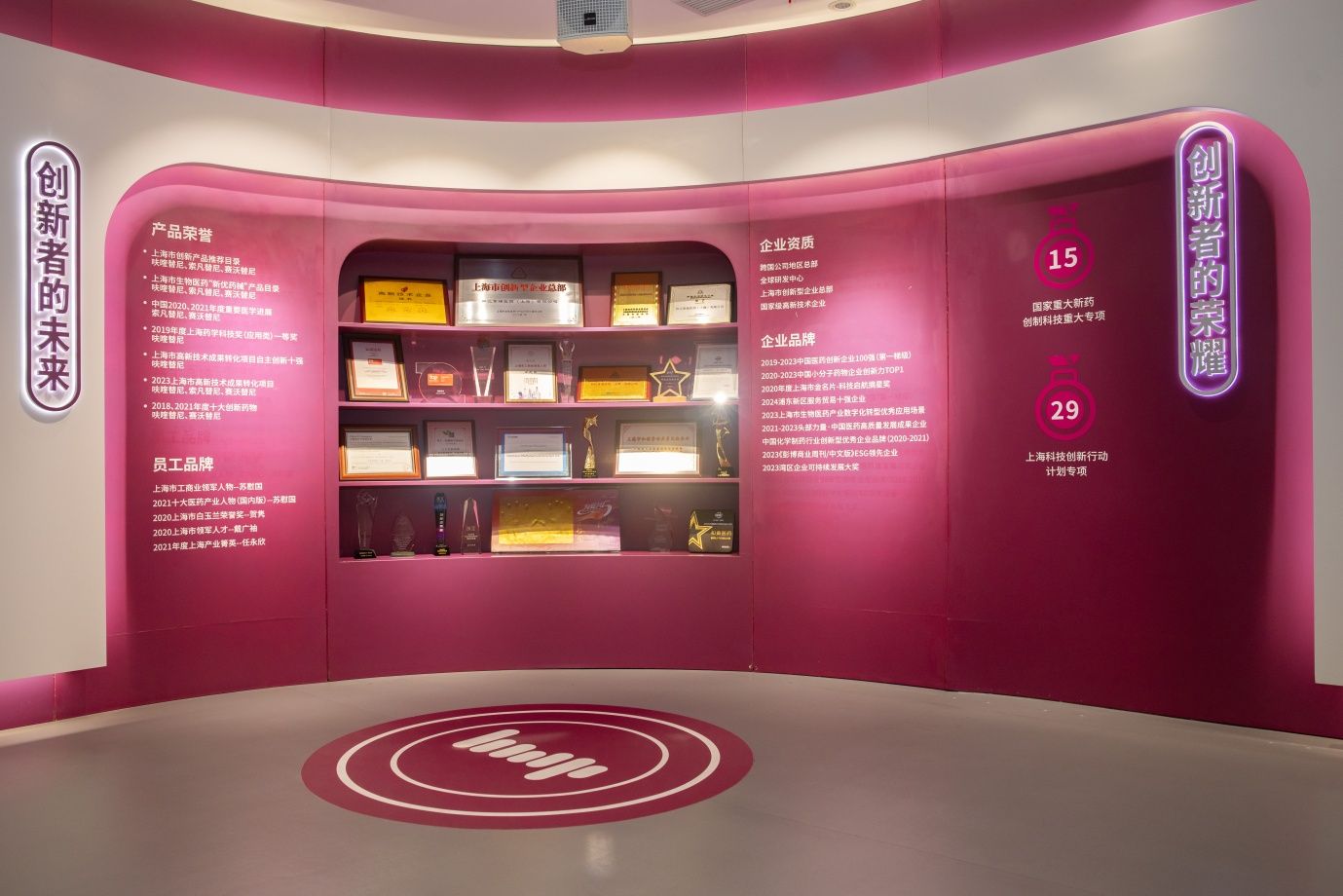
Hutchmed Limited. (Photo: Zheng Feng)
Official data shows that these industries hit 832.3 billion yuan in scale in 2024, accounting for 46% of Shanghai's total with 11.7% average annual growth.
Hutchmed, a biomedicine firm, represents Pudong's innovative pharma sector. Leveraging Pudong's robust innovation ecosystem, the company has achieved a full-chain breakthrough, advancing its innovative drugs from R&D to global expansion.
"The completion of our Pudong production base in 2023 will increase capacity over fivefold," said Cui Yilin, Executive Vice President of Hutchmed. "After completion by the end of 2023, the Shanghai factory has achieved the production transfer of Savotinib and Sofantinib, and Furquintinib is scheduled to be completed by the end of this year." Cui Yang said that in the future, the company's drugs will go global from Pudong, benefiting patients around the world.
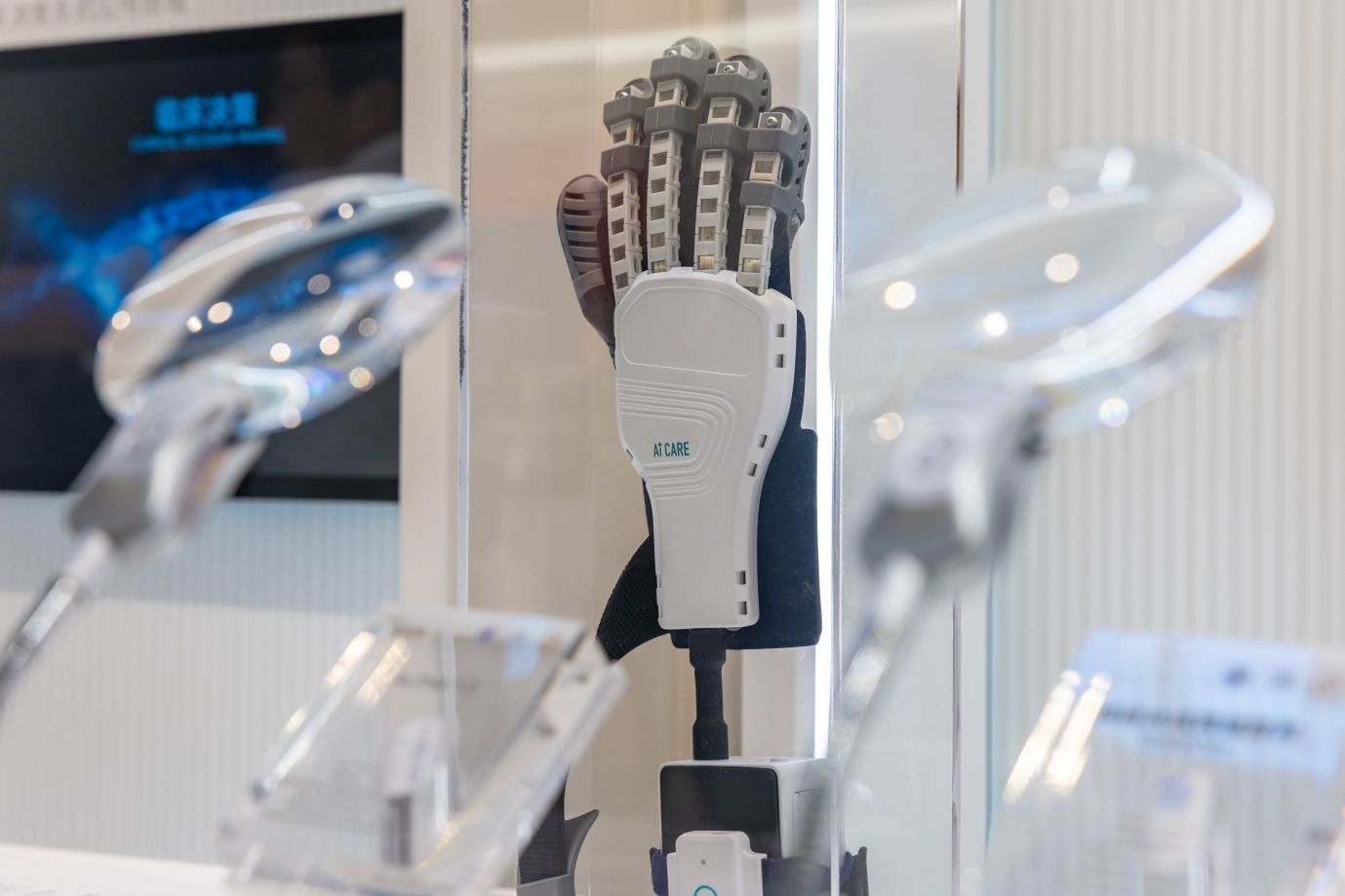
Fudan Zhangjiang Innovation Center. (Photo: Zheng Feng)
Pudong hosts over 4,000 biomedicine firms, including 9 of the global top 10 pharma companies, and nearly 2000 pipelines under research. Four CAR-T therapies from Pudong were approved this year, representing 30%of the global total.
A strong innovation ecosystem fuels this growth. Zhiyuan Robot, Shanghai's first humanoid robot mass-producer, exemplifies this support.
"Pudong's policies helped us in three key areas," said Qiu Heng, Chief Marketing Officer. "Financial support, talent housing to help core R&D personnel to live and work in peace and take root in Pudong, and most importantly, the dense industrial cluster which has turned the peers in the fields of artificial intelligence and robotics into 'cross-border comrades' working together."
Within three years, Zhiyuan has achieved mass production and launched the world's first no-code robot creation platform. The Zhangjiang Model Power Community gathered over 150 AI firms in just 14 months.
The "Qinglong" open-source humanoid robot series are released in July, along with key advances in unmanned taxis, over 1,000 km of smart roads, and a 6G trial environment.
From lab breakthroughs to industrial applications, from the rapid growth of individual companies to the scaled-up synergy of entire industrial chains, Pudong continues to advance toward higher-level scientific self-reliance. (BY Li Shuzheng from CNS)